November 15th, 2026
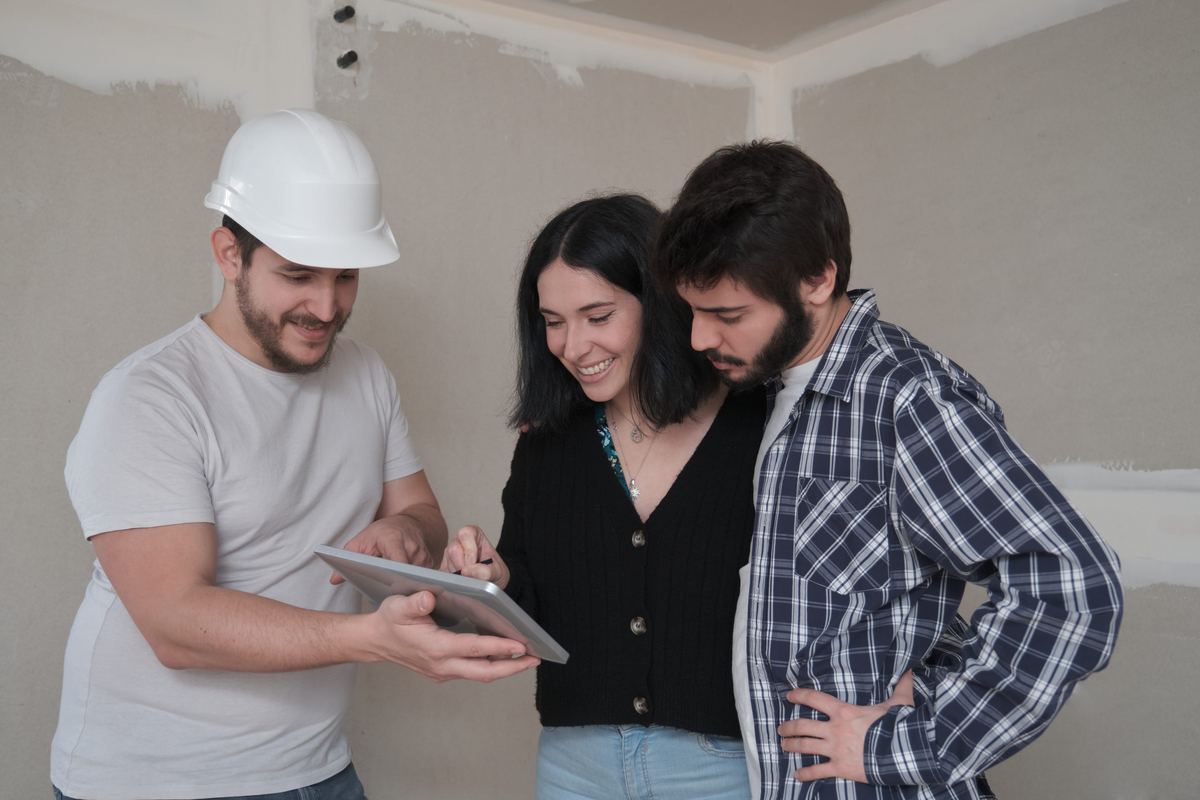
Owner builder construction loan requirements in Texas for 2026: credit, down payment, debt ratios, plans, draws, and how to qualify. Free consultation.
Read Full Story »
Posted in: Construction Financing
November 1st, 2026
See what it costs to build a house in Texas in 2026, from land and site work to finishes, and how owner-builders cut the total. Call for a free consultation.
Read Full Story »
Posted in: Owner Builder Program
October 15th, 2026
How owner-builders pick subcontractors: write scope packages, verify licenses and insurance, compare bids on equal footing, and protect yourself on payments and liens.
Read Full Story »
Posted in: Home Building Process
October 1st, 2026
How owner-builders hire and work with architects and designers: fee structures, the drawings you need for permits and bids, and design choices that cut construction cost.
Read Full Story »
Posted in: Home Design & Building Options
September 15th, 2026
Building your own home as an owner-builder is an exciting and rewarding endeavor that can save you thousands of dollars. Talk to a consultant about your build.
Read Full Story »
Posted in: Home Building Process
September 1st, 2026
Building your dream home is an exciting journey, but navigating the financing process can feel overwhelming. See how Owner Builder Network helps families build.
Read Full Story »
Posted in: Construction Financing
August 15th, 2026
Congratulations! You've successfully completed your journey as an owner-builder and now have a beautiful custom home to show for your efforts. Learn more today.
Read Full Story »
Posted in: Home Building Process
August 1st, 2026
Building your own home is one of the most significant investments you'll ever make. Talk to an Owner Builder Network consultant to learn more about the program.
Read Full Story »
Posted in: Home Building Process
July 15th, 2026
Building your own home is one of the most significant financial undertakings you'll ever experience. See how Owner Builder Network helps families build today.
Read Full Story »
Posted in: Owner Builder Program
July 1st, 2026
One of the most intimidating aspects of becoming your own builder is navigating the complex world of building codes and permits. Start planning today in Texas.
Read Full Story »
Posted in: Home Building Process
June 15th, 2026
Building your own home is one of the most rewarding ventures you'll ever undertake, but it's also one that demands careful attention to scheduling. Learn more.
Read Full Story »
Posted in: Home Building Process
June 1st, 2026
One of the most exciting aspects of becoming an owner-builder is the opportunity to design a home that perfectly reflects your lifestyle. Plan your build today.
Read Full Story »
Posted in: Home Design & Building Options
May 15th, 2026
Building your own home is an exciting journey that offers tremendous financial savings and personal satisfaction. Talk to an Owner Builder Network consultant.
Read Full Story »
Posted in: Home Building Process
May 1st, 2026
Choosing the right subcontractors is one of the most critical decisions you'll make as an owner-builder. Talk to a consultant to learn more about the program.
Read Full Story »
Posted in: Home Building Process
April 15th, 2026
Building your dream home is an exciting journey, but it often comes with a hefty price tag and a loss of control over the process. Book a consultation in Texas.
Read Full Story »
Posted in: Owner Builder Program
April 1st, 2026
Building your dream home is an exciting journey, but navigating the financial landscape can be daunting. Talk to a consultant to learn more about the program.
Read Full Story »
Posted in: Construction Financing
March 16th, 2026
Building your own home is an exciting opportunity to create a space that perfectly reflects your vision and meets your family's unique needs. Learn more today.
Read Full Story »
Posted in: Owner Builder Program
March 13th, 2026
Congratulations on taking the first step towards building your dream home! As an owner-builder. Learn more about the Owner Builder Program and start planning.
Read Full Story »
Posted in: Owner Builder Program
March 2nd, 2026
Building your own custom home is one of the most rewarding experiences a homeowner can undertake. Learn more about the Owner Builder Program and start planning.
Read Full Story »
Posted in: Home Building Process
February 17th, 2026
Embarking on an owner-builder journey is an exciting adventure that promises a custom home tailored to your exact specifications. Start planning today in Texas.
Read Full Story »
Posted in: Home Building Process
February 3rd, 2026
Building your dream home is an exciting journey, but it can also be a daunting task, especially when it comes to managing costs. Start planning today in Texas.
Read Full Story »
Posted in: Owner Builder Program
January 21st, 2026
Embarking on your first owner-builder project can be both exciting and daunting. Talk to an Owner Builder Network consultant to learn more about the program.
Read Full Story »
Posted in: Owner Builder Program
January 2nd, 2026
When you're building your own custom home, one of the most exciting and important aspects is designing the floor plan. Contact us today and see how we can help.
Read Full Story »
Posted in: Home Design & Building Options
December 17th, 2025
Building your own custom home is an exciting journey that allows you to create the perfect living space tailored to your needs and desires. Get expert guidance.
Read Full Story »
Posted in: Home Building Process
December 4th, 2025
Have you ever dreamed of building your perfect home, tailored to your exact specifications, while also saving a significant amount of money? See our work today.
Read Full Story »
Posted in: Owner Builder Program
November 17th, 2025
As an owner-builder, you have the unique opportunity to create a home that not only meets your personal needs but also embraces energy efficiency. See our work.
Read Full Story »
Posted in: Home Design & Building Options
November 3rd, 2025
Building your own custom home is an exciting journey, but it can also be a complex process, especially when it comes to permits and regulations. See our work.
Read Full Story »
Posted in: Home Building Process
October 22nd, 2025
As an owner-builder, one of the most critical aspects of your home construction project is developing and maintaining positive relationships. Learn more today.
Read Full Story »
Posted in: Home Building Process
October 5th, 2025
As an owner-builder, you're embarking on an exciting journey to create your dream home. See how Owner Builder Network helps families build and start planning.
Read Full Story »
Posted in: Home Building Process
September 16th, 2025
Building your dream home is an exciting journey, but it can also be a daunting financial endeavor. See how Owner Builder Network helps families build today.
Read Full Story »
Posted in: Owner Builder Program
September 2nd, 2025
Embarking on the journey of building your own home can be both exhilarating and daunting. See how Owner Builder Network helps families build and start planning.
Read Full Story »
Posted in: Home Building Process
August 18th, 2025
Designing a floor plan for your new custom home is one of the most exciting phases of the home-building process. Talk to an Owner Builder Network consultant.
Read Full Story »
Posted in: Home Design & Building Options
August 1st, 2025
Building your dream home is one of life's most significant milestones, but the traditional path through builders adds cost. Contact us today and start planning.
Read Full Story »
Posted in: Home Design & Building Options
July 8th, 2025
When it comes to building a custom home, many people dream of creating something uniquely their own while staying within budget. Start planning today in Texas.
Read Full Story »
Posted in: Success Stories
July 2nd, 2025
Building your own custom home is both a challenging adventure and a rewarding experience. See how Owner Builder Network helps families build and start planning.
Read Full Story »
Posted in: Owner Builder Program
June 17th, 2025
At Owner Builder Network, we've been helping people build their dream homes since 1997. See how Owner Builder Network helps families build and start planning.
Read Full Story »
Posted in: Success Stories
June 4th, 2025
Before you design a new home or remodel an existing one, consider investing in energy efficiency. Learn more about the Owner Builder Program and start planning.
Read Full Story »
Posted in: Home Design & Building Options
June 1st, 2025
Have you ever dreamed of building a custom home that perfectly matches your vision, needs, and budget? See how Owner Builder Network helps families build today.
Read Full Story »
Posted in: Owner Builder Program
May 29th, 2025
Building your own home is an exciting journey that offers unparalleled customization and potential cost savings. Talk to an Owner Builder Network consultant.
Read Full Story »
Posted in: Home Building Process
June 29th, 2018
Summer always seems to be the time for home projects. Always something that needs to be done, some list of improvements to make, or some big project to start.
Read Full Story »
Posted in: Owner Builder Program
June 12th, 2018
Every once in a while it's not uncommon for some of our clients to ask 'Can I do some of the work myself?' and Curtiss and Sarah Ryan were one such client.
Read Full Story »
Posted in: Success Stories
May 21st, 2018
How many times have you moved in your life? Once? Twice? Twenty times? Each move takes time to settle into a new place. Talk to our team about your build today.
Read Full Story »
Posted in: Success Stories
April 19th, 2018
We get it, building your own home has been something you've wanted to do for ages! Talk to an Owner Builder Network consultant to learn more about the program.
Read Full Story »
Posted in: Home Building Process
February 28th, 2018
Spring is all about new beginnings and starting fresh. Why else do you think so many people put 'spring cleaning' at the top of their to-do lists? See our work.
Read Full Story »
Posted in: Owner Builder Program
January 28th, 2018
Maybe as a kid, you were building castles in the sandbox or on the beach or using crayons to draw pictures of your future home. Start planning today in Texas.
Read Full Story »
Posted in: Owner Builder Program
January 18th, 2018
We are uniquely experienced and ready to assist you. We ensure that you build the home you want, the way you want it built! Contact us today and start planning.
Read Full Story »
Posted in: Owner Builder Program
December 21st, 2017
The holiday season can be filled with lots of errands and stress, but we also like to think of it as a time to reflect on the year. Learn more about your build.
Read Full Story »
Posted in: Success Stories
October 19th, 2017
Do you know when you should install flooring or appliances, but don't know how to get your project to that phase? Don't worry - you're not alone! See our work.
Read Full Story »
Posted in: Home Building Process
September 25th, 2017
When it comes to building a new home financing is always a big consideration. OBN has established relationships with financing resources. Plan your build today.
Read Full Story »
Posted in: Construction Financing
August 31st, 2017
The decision to build a new home from the ground up is a major one, and deciding to do it on your own is often scary and filled with questions. Plan your build.
Read Full Story »
Posted in: Owner Builder Program
August 3rd, 2017
Summer months are some of the most ideal times to get to your home improvement projects. See how Owner Builder Network helps families build and start planning.
Read Full Story »
Posted in: Home Building Process
July 13th, 2017
Whether it's still a work a progress or shining with that new house sparkle, we're proud of the hard work our OBN families put into their building projects!
Read Full Story »
Posted in: Success Stories
June 6th, 2017
Owner Builder Network is there to help our families with all parts of their building projects - from beginning to end. Contact us today and see how we can help.
Read Full Story »
Posted in: Home Building Process
February 20th, 2017
Spring is a time when things are picking up around the office. We're hearing from new builders and looking forward to progress reports from current projects.
Read Full Story »
Posted in: Success Stories
January 11th, 2017
If you are planning to build your own home, then we need to talk! We want to help you build your own home while saving thousands across planning. See our work.
Read Full Story »
Posted in: Owner Builder Program
October 12th, 2016
Sometimes it can be difficult to settle on just one construction plan or to envision some elements of your future house. Talk to a consultant about your build.
Read Full Story »
Posted in: Success Stories
September 13th, 2016
Whether you want to build your home in a jiffy or take a little more time to make sure your home has a unique design, we have options. Plan your build in Texas.
Read Full Story »
Posted in: Home Design & Building Options
July 18th, 2016
Are you ready to start designing or constructing your custom home today, but have a land or lot payoff? Talk to a consultant to learn more about the program.
Read Full Story »
Posted in: Construction Financing
May 16th, 2016
Did you know that Owner Builder Network can work with most types of construction? Talk to an Owner Builder Network consultant to learn more about the program.
Read Full Story »
Posted in: Home Design & Building Options
March 31st, 2016
Are you a control freak? Then you've come to the right place! When you work with us, we will assist you in all aspects of the building process. Plan your build.
Read Full Story »
Posted in: Owner Builder Program
February 10th, 2016
We are always ready to assist you in all aspects of your building process! Let us help you build the home that you want, the way you want. Talk to a consultant.
Read Full Story »
Posted in: Owner Builder Program
October 17th, 2015
Want to build your own home, but need some inspiration? Browse our gallery of finished interiors, exteriors, and homes. Talk to our team about your build today.
Read Full Story »
Posted in: Success Stories
September 22nd, 2015
This year, the rain we received in April and May has definitely created a bubble that is travelling throughout the whole construction process. Learn more today.
Read Full Story »
Posted in: Home Building Process
August 7th, 2015
Often times someone considering building their own home visits with a traditional builder first, and hears the same pitch. Get expert guidance about your build.
Read Full Story »
Posted in: Owner Builder Program
July 18th, 2015
At OBN our mission is to help you to Be Your Own Builder which allows you to get the most bang for your buck! Talk to an Owner Builder Network consultant today.
Read Full Story »
Posted in: Owner Builder Program
July 8th, 2015
Even though the rain has delayed projects recently, our subcontractors are working very hard to help everybody catch up. Talk to a consultant about your build.
Read Full Story »
Posted in: Owner Builder Program
May 18th, 2015
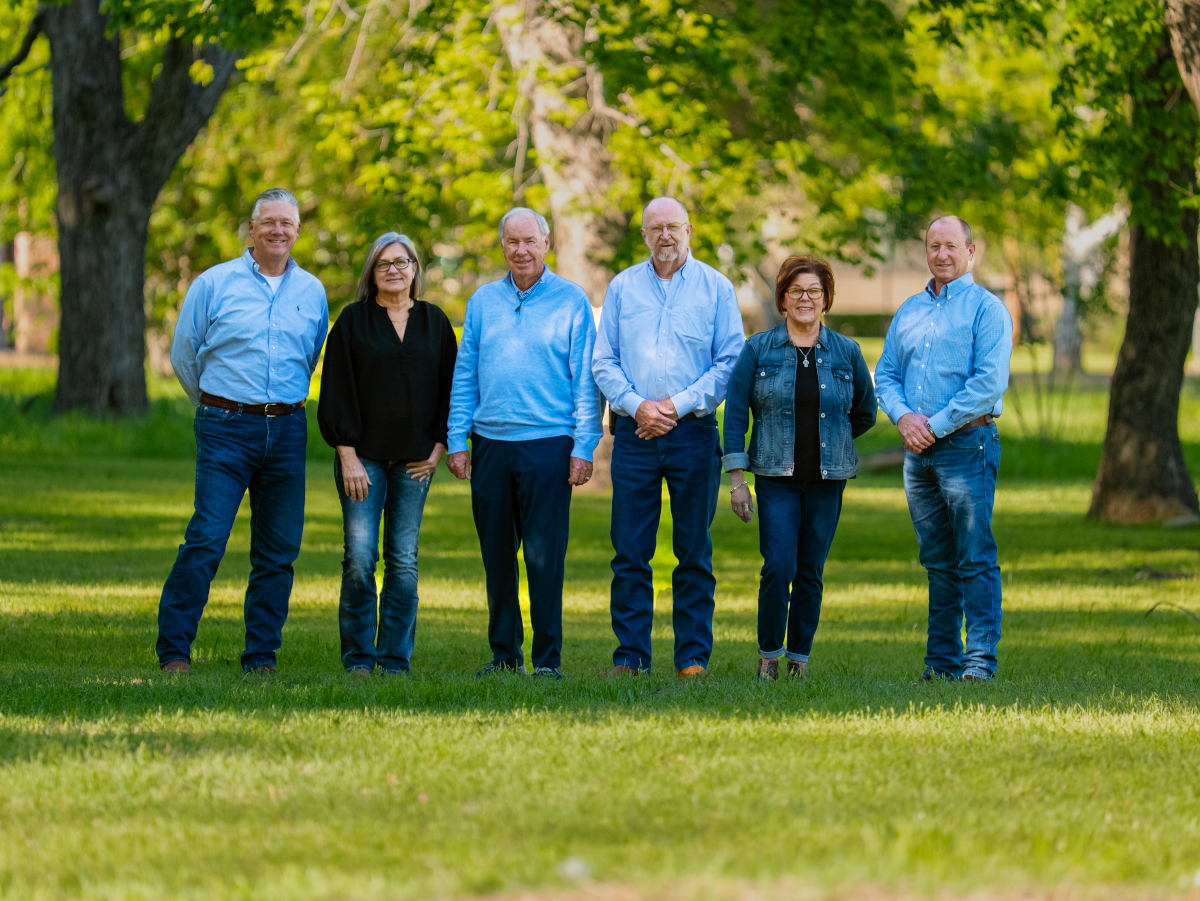
To make a better connection with our customers, we have taken the time to have some company pictures made so that you can put names with faces. Plan your build.
Read Full Story »
Posted in: Owner Builder Program
April 14th, 2015
Do you have land that is not paid off? If so, Owner Builder Network can help you. We will assist you in getting a construction loan. Talk to a consultant today.
Read Full Story »
Posted in: Construction Financing
March 5th, 2015
If you're looking for a way to build your own custom home and save money at the same time, Owner Builder Network is exactly what you have been looking for.
Read Full Story »
Posted in: Owner Builder Program
View all articles


 For Fast Answers, Call or Text 469-223-9398