

DIY Home Building Tips: Expert Advice for Owner Builders
March 16th, 2026 by admin
Building your own home is an exciting opportunity to create a space that perfectly reflects your vision and meets your family's unique needs. Unlike purchasing a pre-built home, owner-building gives you complete control over every aspect of construction—from the foundation materials to the final finishes. However, this freedom comes with responsibility and requires careful planning, knowledge, and attention to detail.
The Owner Builder Network has been helping homeowners successfully navigate the DIY building process since 1997. Over nearly three decades, we've learned what works, what doesn't, and what separates successful builds from those that face costly delays and budget overruns. In this article, we'll share practical DIY home building tips that will help you manage your project effectively, maintain quality, and stay on budget.
Tip 1: Start With a Clear, Detailed Vision and Plan
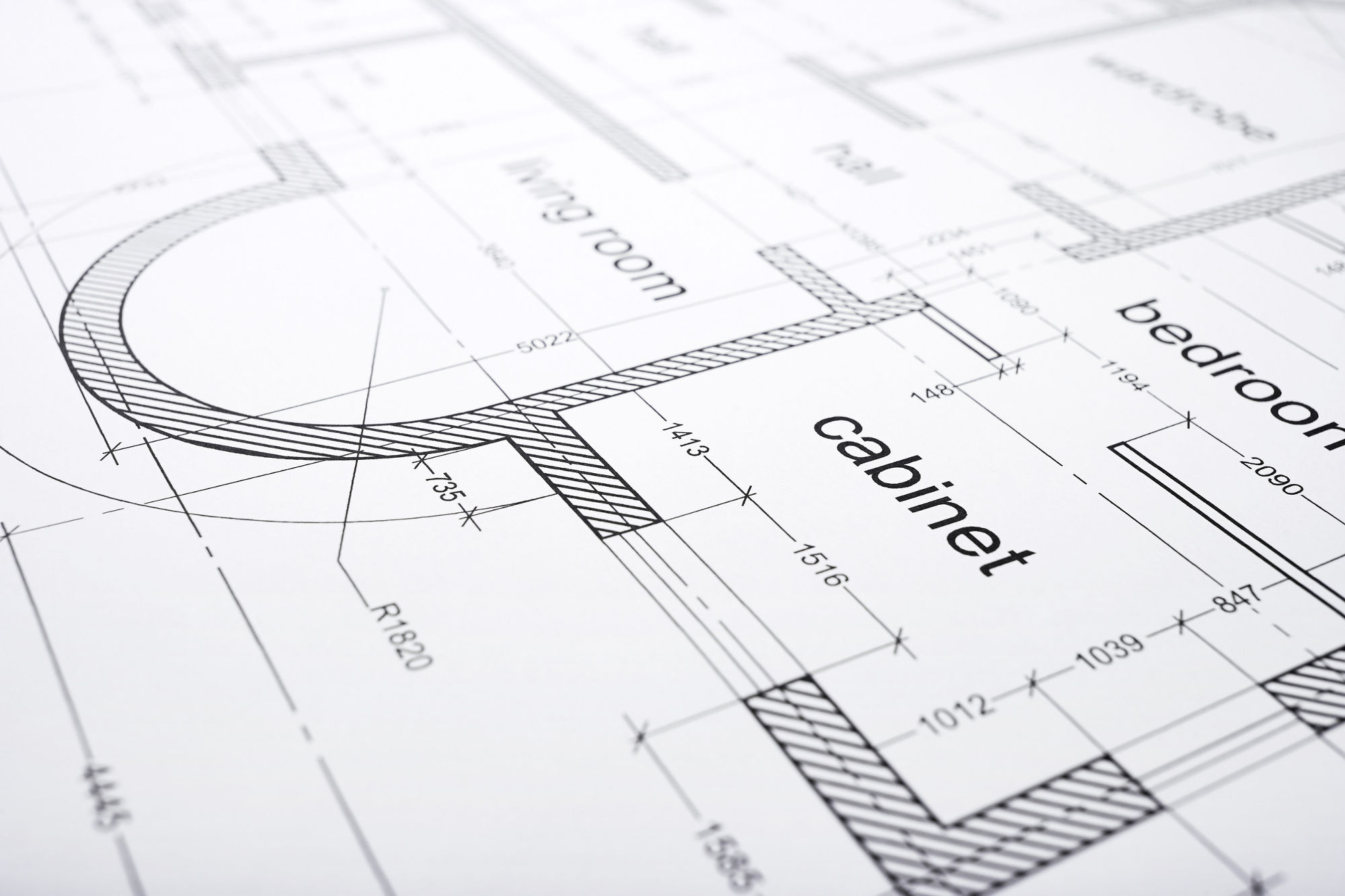
Before the first shovel hits the ground, invest time in creating a comprehensive plan. This isn't just about having a nice set of architectural drawings—it's about thinking through every detail of your home and how you want to live in it.
Create detailed floor plans and elevations that clearly communicate your vision to contractors and suppliers. Consider:
- Room layouts and traffic flow
- Window and door placements for natural light and views
- Storage solutions and built-in features
- Mechanical systems placement (HVAC, plumbing, electrical)
- Future expansion possibilities
- Energy efficiency features
The more detailed your planning phase, the fewer surprises you'll encounter during construction. Surprises almost always cost money and time.
Tip 2: Understand Your Local Building Codes and Requirements
Every jurisdiction has specific building codes and regulations that govern residential construction. Before you begin, invest time in understanding your local requirements:
- Setback requirements from property lines
- Foundation and structural code requirements
- Electrical, plumbing, and HVAC code standards
- Energy code compliance requirements
- Permit requirements and inspection schedules
- Zoning restrictions and land use regulations
Work closely with your local building department. They're not your enemy—they're there to ensure your home is safe and properly constructed. Building inspectors can provide valuable guidance and catch issues early before they become expensive problems.
Tip 3: Hire Qualified, Experienced Contractors
One of the most critical DIY home building decisions is selecting your contractors. This isn't the place to cut costs by hiring the cheapest bid. Instead, focus on finding experienced professionals who understand owner-builder projects.
When evaluating contractors, ask for:
- References from previous owner-builder projects
- Proof of licensing and insurance
- Detailed written estimates that break down labor and materials
- Information about their experience with your local building codes
- Examples of their previous work
- Clear communication about project timeline and payment schedule
Don't be afraid to check references thoroughly. Call previous clients and ask detailed questions about their experience. The Owner Builder Network provides access to pre-vetted contractors who understand owner-builder projects and are willing to work at builder's cost—removing much of this uncertainty.
Tip 4: Create a Realistic Budget With Contingencies
A detailed budget is essential for successful DIY home building. Break down your costs into categories:
- Land and site preparation
- Foundation and excavation
- Framing and structural materials
- Roofing and exterior finishes
- Electrical and plumbing systems
- HVAC and mechanical systems
- Interior finishes and flooring
- Fixtures, appliances, and hardware
- Permits and inspections
Crucially, include a contingency fund—typically 10-15% of your total budget—for unexpected expenses. Construction always brings surprises, and having a financial cushion prevents personal financial strain.
Tip 5: Establish a Clear Payment and Draw Schedule
Never pay contractors or suppliers in full before work is completed. Instead, establish a payment schedule tied to project milestones. This protects your interests and ensures contractors remain motivated to complete quality work on time.
A typical draw schedule might look like:
- 10% upon signing the contract
- 20% upon completion of excavation and foundation
- 20% upon framing completion
- 20% upon rough-in inspections completion
- 20% upon drywall and interior work completion
- 10% upon final inspection and substantial completion
When you pay workers and suppliers directly as work is completed, you maintain control and eliminate kickbacks. This is a fundamental principle of successful owner-building.
Tip 6: Maintain Regular On-Site Presence
Successful owner builders spend significant time at their job site. Regular on-site presence allows you to:
- Monitor work quality and progress daily
- Catch issues before they become expensive problems
- Make real-time decisions about changes or adjustments
- Communicate directly with contractors about your expectations
- Document work completion for payment releases
- Build relationships with your contractor team
You don't need to be on site every moment, but establishing a regular schedule—perhaps daily or several times per week—keeps you informed and engaged. Your presence demonstrates commitment and keeps everyone accountable.
Tip 7: Document Everything in Writing
Clear communication and documentation protect your interests and prevent misunderstandings. For every aspect of your build, maintain written records:
- Contracts: Ensure all agreements with contractors are in writing, specifying scope, timeline, and payment terms
- Change orders: Any modifications to the original plan must be documented with cost and schedule impacts
- Daily logs: Keep notes on work completed, weather, visitors, and any issues or decisions
- Inspection reports: Save all inspection reports and approval documents
- Payment records: Keep receipts and documentation for all payments made
- Communication: Follow up phone calls and in-person conversations with written summaries via email
This documentation serves as your project record and protects you if disputes arise later.
Tip 8: Prioritize Quality Control and Inspections
Quality control isn't something to address at the end—it's an ongoing process throughout construction. Establish inspection points at critical phases:
- Foundation: Verify excavation depth, soil compaction, and foundation forms before pouring
- Framing: Check structural integrity, proper bracing, and code compliance before closing walls
- Rough-in: Inspect electrical, plumbing, and HVAC before drywall covers these systems
- Insulation: Verify proper installation and R-values before drywall
- Final: Complete walkthrough before final payment, checking all finishes and systems
Don't hesitate to request corrections or rework. Quality issues discovered during construction are far cheaper to fix than problems discovered after move-in.
Tip 9: Build Relationships With Your Contractor Team
Your contractors and suppliers are your partners in this project. Building positive relationships encourages quality work, better communication, and willingness to address issues promptly.
Show appreciation for their work, communicate clearly about expectations, and handle disputes professionally. When contractors know you're fair and reasonable, they're more likely to go the extra mile to ensure your satisfaction.
Additionally, maintaining good relationships means contractors are more likely to recommend you to their suppliers and may offer flexibility if genuine issues arise.
Tip 10: Plan for Unexpected Challenges
Even the best-planned projects encounter unexpected challenges. Soil conditions might differ from expectations, weather might delay timelines, or material availability might change. Successful owner builders anticipate these possibilities and remain flexible.
Strategies for handling challenges include:
- Maintain your contingency fund for unexpected expenses
- Build buffer time into your schedule
- Stay in regular communication with contractors about potential issues
- Be willing to make reasonable adjustments while maintaining your overall vision
- Keep detailed records of how challenges are addressed
Flexibility combined with clear decision-making processes helps you navigate challenges without derailing your project.
Tip 11: Educate Yourself Continuously
Owner building is a learning experience. Take advantage of educational opportunities to understand construction processes, building systems, and best practices:
- Attend workshops and classes offered by organizations like the Owner Builder Network
- Read books and articles about residential construction
- Ask contractors to explain their work and the reasoning behind their methods
- Visit job sites of other owner builders to learn from their experiences
- Network with other owner builders going through similar projects
The more you understand about construction, the better decisions you'll make and the more effectively you'll manage your project.
Tip 12: Know When to Ask for Help
While "DIY" suggests doing it yourself, successful owner building often means knowing when to bring in professionals. You don't need to—and shouldn't try to—do all the work yourself. Instead, focus on managing and overseeing the project.
Complex systems like electrical, plumbing, HVAC, and structural work require licensed professionals. Don't compromise on safety or code compliance to save money. The Owner Builder Network helps by connecting you with qualified professionals who understand owner-builder projects and offer competitive pricing.
Your DIY Home Building Journey Starts Here
Building your own home is achievable when you approach it with careful planning, clear communication, and realistic expectations. These DIY home building tips represent lessons learned from decades of successful owner-builder projects.
Remember, the goal isn't to do all the work yourself—it's to maintain control of the project and ensure it reflects your vision while staying within budget and on schedule. By implementing these tips and working with experienced professionals who understand owner-builder projects, you can successfully build the custom home you've always wanted.
The Owner Builder Network has been helping homeowners achieve this dream since 1997. We provide the financing, contractor connections, and expert guidance you need to manage your DIY home building project successfully. We make it simple, so you can focus on what matters most: building your dream home your way.
Posted in: Building Projects