


Design Your Dream Home: Working With Architects and Designers
June 1st, 2026 by admin
Bringing Your Custom Home Vision to Life
One of the most exciting aspects of becoming an owner-builder is the opportunity to design a home that perfectly reflects your lifestyle, preferences, and needs. Unlike purchasing an existing home or choosing from limited floor plans, you have the freedom to create something truly unique. However, translating your vision into workable construction documents requires collaboration with design professionals who can balance creativity with practicality.
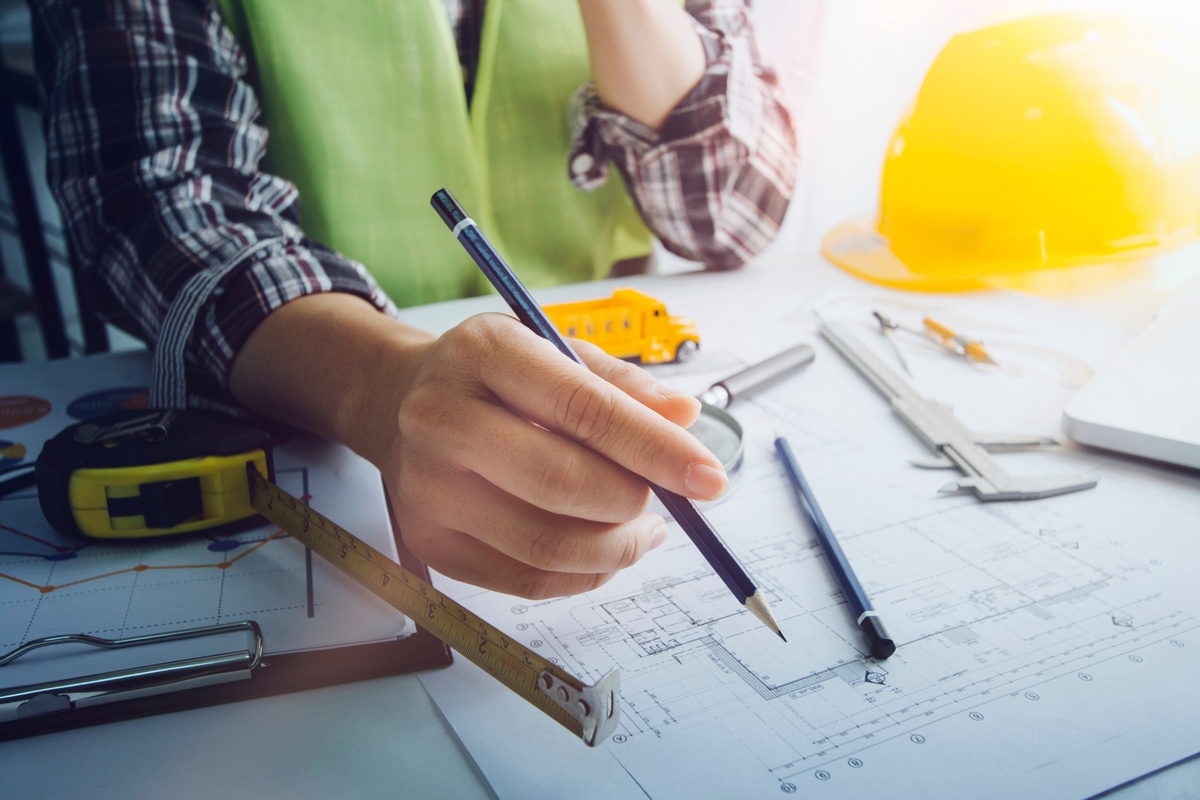
Working with architects and designers as an owner-builder offers distinct advantages. You maintain direct control over design decisions while benefiting from professional expertise. This partnership can help you avoid costly mistakes, maximize your budget, and ensure your home is both beautiful and functional. Understanding how to effectively collaborate with these professionals is essential to your success.
Understanding Design Professional Roles
Before beginning the design process, it's important to understand the different types of professionals who can help bring your dream home to life.
Architects
Licensed architects provide comprehensive design services and are trained in both aesthetics and structural engineering principles. They can create complete construction documents, navigate building codes, and often oversee construction administration. Architects are particularly valuable for complex projects, unique designs, or homes on challenging lots. Their fees typically range from 8-15% of construction costs or can be negotiated as flat fees for specific services.
Residential Designers and Draftspersons
These professionals specialize in creating construction drawings for residential projects. While they may not have the same comprehensive training as licensed architects, experienced residential designers understand building codes, construction methods, and can produce the necessary plans for permitting. Their fees are generally lower than architects, making them an economical choice for straightforward projects.
Interior Designers
Interior designers focus on the aesthetic and functional aspects of interior spaces. They can help with space planning, material selections, color schemes, lighting design, and fixture specifications. Some have backgrounds in architectural design as well, while others specialize exclusively in interior finishes and furnishings.
Preparing for Your First Design Meeting
Walking into your initial consultation prepared will help you get maximum value from your design professionals and establish a productive working relationship.
Gather Inspiration
Collect images of homes, rooms, and features you love. Pinterest boards, magazine clippings, and photos from home tours all help communicate your aesthetic preferences. Don't worry about whether everything matches perfectly—this collection helps designers understand your style and priorities.
Create a Detailed Wish List
Document your functional requirements in detail. How many bedrooms and bathrooms do you need? Do you want an open floor plan or defined rooms? Consider features like home offices, craft rooms, mudrooms, outdoor living spaces, and storage needs. Think about your daily routines and how your home design can support them.
Know Your Budget
Be honest and upfront about your construction budget. Experienced designers can work within various budget constraints, but they need accurate information to make appropriate recommendations. Remember that your budget should include not just construction costs but also design fees, permitting, and a contingency fund of at least 10-15%.
Understand Your Property
Bring information about your building lot, including surveys, topographical maps, and any restrictions from homeowners associations or deed restrictions. Site characteristics dramatically impact design possibilities, and this information helps designers create appropriate solutions from the start.
Maximizing the Design Process
The design phase typically progresses through several stages, each building upon the previous work.
Schematic Design
During this initial phase, your designer creates preliminary sketches exploring different layout options and overall concepts. This is the time for big-picture thinking about room relationships, flow, and how the home sits on your lot. Review these options carefully and provide specific feedback about what works and what doesn't.
Design Development
Once you've selected a basic direction, the designer refines the concept with more detail. You'll make decisions about exterior materials, roof styles, window placements, and interior finishes. This phase requires active participation as countless choices shape your final home. Don't rush these decisions—changes become more expensive once construction begins.
Construction Documents
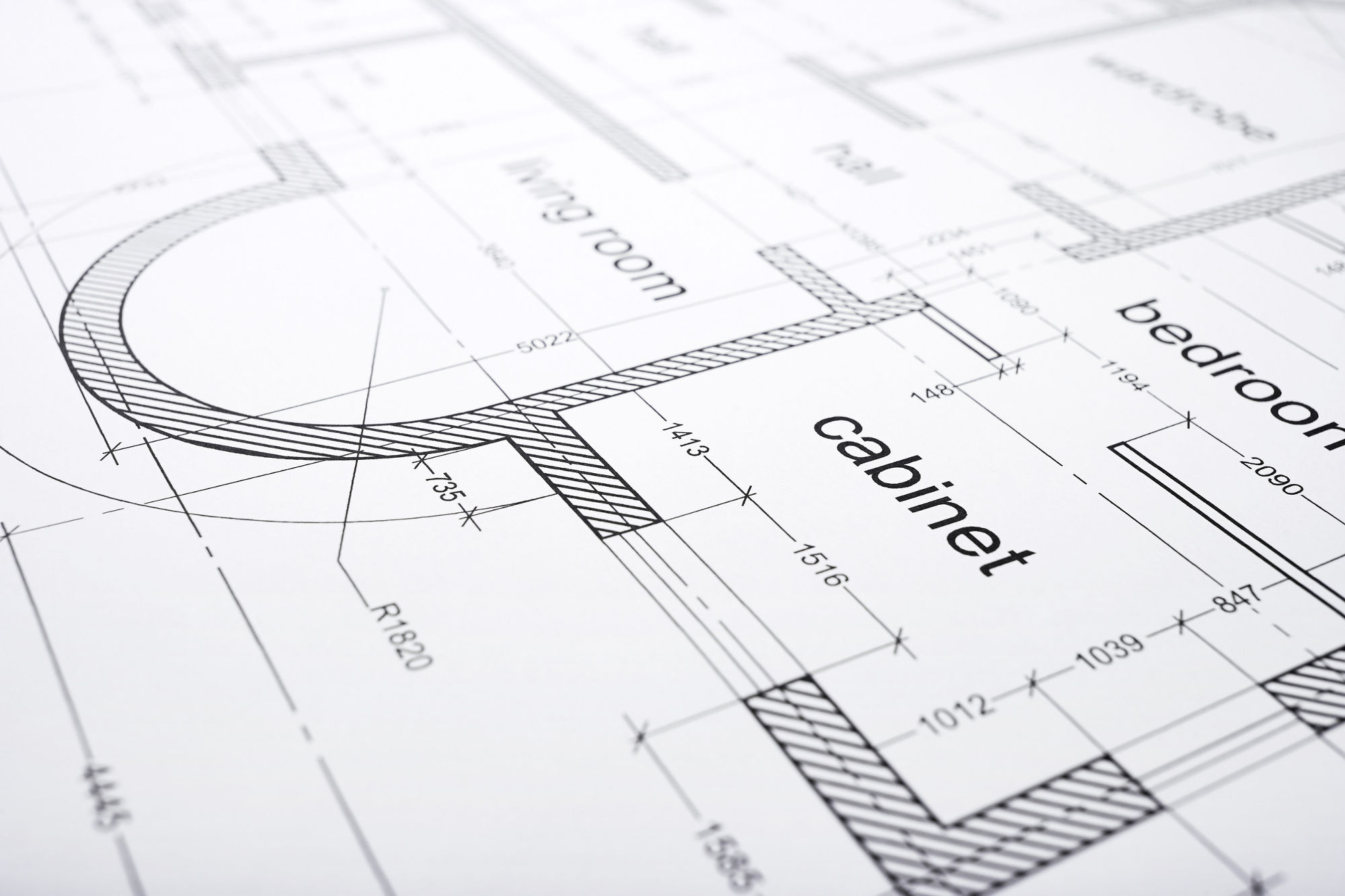
The designer produces detailed drawings and specifications that contractors and subcontractors will use to build your home. These documents must be complete enough for accurate bidding and permitting. As an owner-builder, you'll rely on these plans throughout construction, so ensure they're thorough and clear.
Cost-Saving Design Strategies
Smart design choices can significantly impact your construction budget without sacrificing quality or appeal.
Efficient Floor Plans
Simple, rectangular footprints cost less to build than homes with numerous corners, angles, and roof lines. Open floor plans reduce the number of interior walls needed. Positioning plumbing fixtures back-to-back or stacked between floors minimizes expensive plumbing runs.
Right-Sizing Your Home
Building only the space you truly need saves money on both construction and long-term operating costs. Consider multi-functional spaces—a dining room that doubles as a home office, or a bonus room that serves multiple purposes. Every square foot you build costs money to construct, heat, cool, and maintain.
Material Selection
Your designer can help identify cost-effective materials that deliver the look you want. Sometimes mixing high-end finishes in visible areas with more economical choices in less prominent spaces creates the desired impact while controlling costs. Understanding material costs early helps avoid budget-breaking surprises later.
Future-Proofing vs. Building Now
Designing your home with future expansion in mind can save money initially. Perhaps you frame for a future bathroom but don't finish it yet, or you design a bonus room that can be completed later. Your designer can help you incorporate these flexible elements strategically.
Communication Best Practices
Successful design collaborations depend on clear, consistent communication throughout the process.
Be Specific and Descriptive
Rather than saying "I don't like this," explain what specifically doesn't work for you. "This hallway feels too narrow" or "I'd prefer more natural light in the kitchen" gives your designer actionable feedback they can address.
Ask Questions
If you don't understand a design element or why your designer recommends something, ask for clarification. Good designers welcome questions and can explain the reasoning behind their suggestions. This education benefits you throughout the construction process.
Stay Organized
Keep all design documents, revisions, and communications organized and accessible. Create a system for tracking decisions, questions, and changes. This organization becomes invaluable when you're making the hundreds of decisions required during construction.
Respect Professional Boundaries
While you're the client and final decision-maker, remember that you've hired professionals for their expertise. Be open to their suggestions, especially regarding structural requirements, code compliance, and construction feasibility. The best results come from collaborative relationships built on mutual respect.
Red Flags and When to Reassess
Sometimes a design professional isn't the right fit for your project. Warning signs include designers who don't listen to your input, miss deadlines repeatedly, fail to stay within agreed-upon fees, or seem unfamiliar with local building codes. As an owner-builder, you're assembling your team, and every member should contribute positively to your project's success.
Moving from Design to Construction
Once your plans are complete, you'll transition from design to the construction phase. Your relationship with your designer doesn't necessarily end here. Many owner-builders benefit from having their designer available during construction to answer questions, clarify details, or address unforeseen issues that arise.
Some designers offer construction administration services, reviewing work periodically to ensure it matches the design intent. Even if this isn't part of your formal agreement, maintaining a positive relationship with your designer provides a valuable resource as you navigate the building process.
Your Partner in the Owner-Builder Journey
At Owner Builder Network, we understand that designing your custom home represents both an exciting opportunity and a significant responsibility. Our comprehensive owner-builder programs include guidance on working with design professionals, connecting you with experienced architects and designers familiar with owner-builder projects, and providing support throughout the design and construction process.
Since 1997, we've helped over 5,000 families successfully navigate the path to building their dream homes. Our expertise extends beyond construction management to include every phase of your journey, from initial design through final walk-through. We can help you understand what to expect during the design process, how to evaluate and select design professionals, and how to ensure your plans support efficient, cost-effective construction.
Ready to start designing your dream home? Contact Owner Builder Network to learn how our proven process and experienced team can help you create the custom home you've always envisioned while saving thousands in construction costs. Your journey to becoming your own builder starts with a solid design foundation—let us help you build it.
Posted in: Building Projects