



Your First 90 Days in the Owner Builder Program
March 15th, 2027

Families join the Owner Builder Program with a mix of excitement and uncertainty. They know they want to build, and they know they want to save money by managing the project. What they often do not know is what happens after the enrollment paperwork is signed.
The first 90 days are mostly groundwork. No one is pouring concrete yet. The work is plan review, budget setting, financing, land checks, and bids, and it determines how smoothly the next twelve months go. Here is the shape of that quarter.
Days 1 to 14: Intake and Direction
The program starts with a conversation about the family, not the floor plan. A consultant will ask about the area you want to build in, the size of the house, the budget range, the timeline, and how much of the management work you want to take on yourself.
Bring whatever you already have:
- A lot address or a list of areas you are considering
- Floor plans, inspiration photos, or a written wish list
- A rough budget range and how you plan to finance the build
- Your current lease or mortgage timeline
- Any surveys, soil reports, or deed restrictions you already collected
The output of this stage is a clear brief: where, how big, how much, and when. The consultant can then point you to the right plan tier and the right next steps.
Days 15 to 30: Land and Financing
If you do not own land, this is when the search gets serious. The consultant will review candidate lots for the issues that affect cost: utilities, floodplain, access, setbacks, soil, and restrictions. If you already own land, the same review happens on your lot.
Financing runs in parallel. Most owner-builders use a construction loan that converts to a permanent mortgage at completion. The lender will want plans, a budget, a timeline, and evidence that the project can be built for the appraised value. Getting pre-approval early prevents the unpleasant surprise of a plan that the numbers cannot support.
Our owner builder construction loan page covers the documents lenders ask for. The short version is that the cleaner your file, the faster the process moves.
Days 30 to 45: Plan and Budget Review
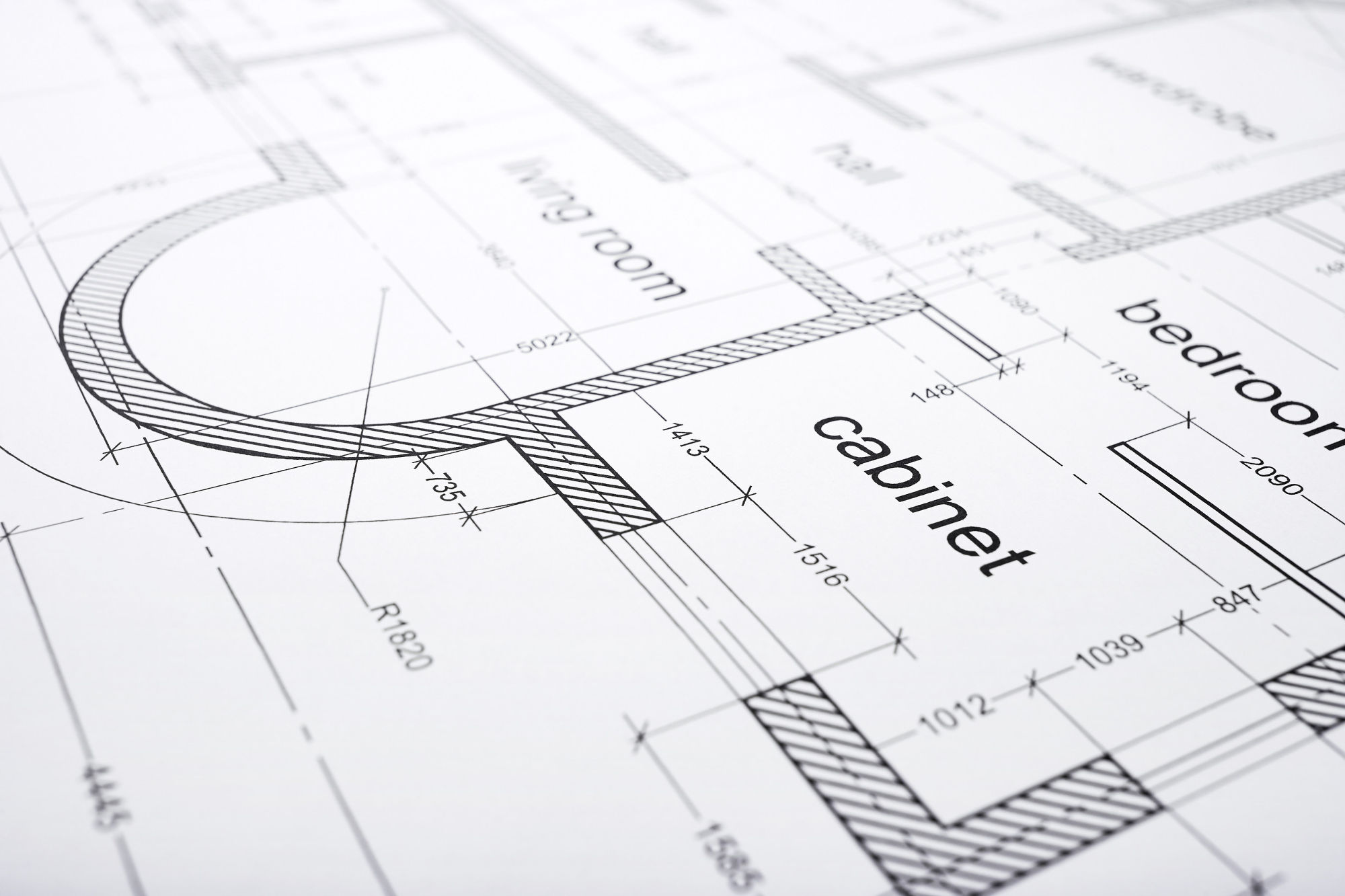
This is where the program earns its keep. The plan is reviewed for buildability, not just appearance. The consultant looks at rooflines, structural spans, plumbing locations, window counts, and the details that drive cost. The budget is checked line by line against current local pricing.
Many families arrive with a plan they love and a budget that assumes a simpler house. The review finds the gap while the drawings can still change. That is the cheapest moment to make a decision.
Our building options and the benefits of the program pages explain how much support is included at each tier. The review is not a redesign. It is a reality check with the family making the final call.
Days 45 to 60: Selections and Bid Packages
Selections are the finishes and fixtures that affect price: flooring, cabinets, countertops, windows, doors, roofing, and mechanical equipment. Making these decisions before bids go out gives every subcontractor the same scope to price.
Bid packages go to the trades the project needs: site work, foundation, framing, roofing, plumbing, electrical, HVAC, drywall, cabinets, countertops, flooring, paint, and finish carpentry. The owner-builder reviews the bids with the consultant, checks scope gaps, and compares apples to apples.
This is also the time to line up builder's risk insurance and confirm that every subcontractor can provide a certificate of insurance.
Days 60 to 75: Permits and Loan Closing
Permit applications require a complete plan set, a site plan, and often engineering letters for the foundation. Some jurisdictions are quick and some take weeks. The schedule should assume the slower case.
The construction loan closes once the appraisal, title work, insurance, and final budget are in place. The first draw usually follows the closing and the first inspection.
Days 75 to 90: Schedule and Mobilization
The last stretch is scheduling. The consultant helps build a sequence that accounts for weather, inspection windows, material lead times, and the availability of each trade. A realistic schedule is not a wish list. It is the order in which the work can actually happen.
By day 90, many families are ready to mobilize: site work, temporary power, and the foundation. Some are still waiting on permits or a loan. Both are normal. The point of the quarter is that the decisions are made before the money is spent.
What the First 90 Days Are Not
They are not a guarantee that construction starts in 90 days. Land issues, lender timelines, and permit offices all have their own pace. They are not a design competition, and they are not a time to hide a budget problem from the consultant. The process works when the numbers are honest early.
If you want to know whether the program fits your project, start with how the program works or browse owner builder questions. The first conversation costs nothing, and it will tell you what your own 90 days would need to cover.