



Construction Loan Appraisals: What They Cover
November 15th, 2027
A construction loan appraisal is not the same as a draw inspection. The draw inspection confirms that the work you are asking to be paid for is actually in place. The appraisal estimates what the finished house will be worth. The first protects the lender's cash. The second sets the size of the loan.
For an owner-builder, the appraisal is the moment the budget meets the market. A low number can change the loan amount, the cash needed at closing, and sometimes the scope of the house.
When the Appraisal Happens
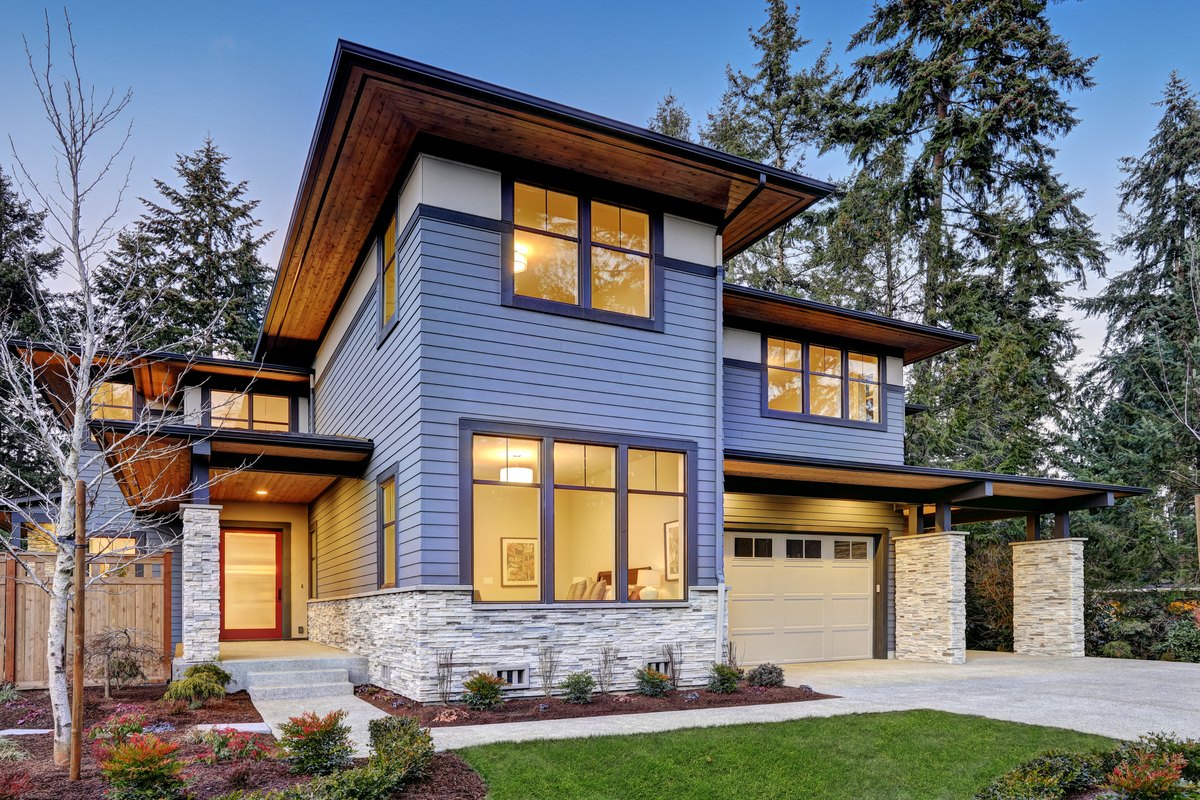
Most construction lenders order an appraisal before closing, based on the plans and specifications rather than a finished house. This is called an as-completed appraisal. The appraiser values the house as if it were built, then the lender applies a loan-to-value ratio to that number.
Some lenders order a final appraisal at completion, especially for construction-to-permanent loans. The final value is used for the conversion. Ask when the appraisal happens and which value controls the permanent loan.
What the Appraiser Reviews
- The site: lot size, location, access, flood zone, and view
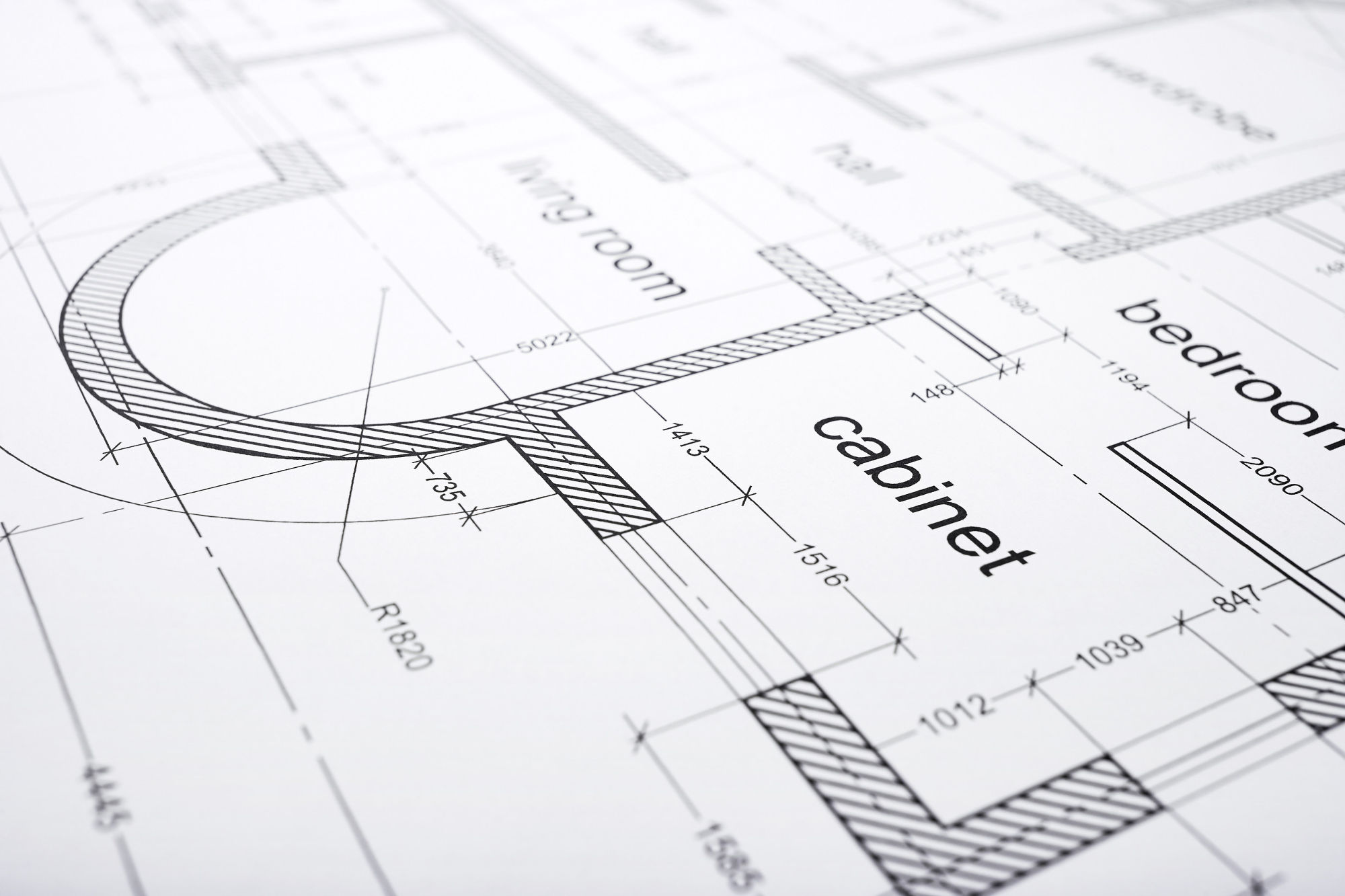
- The plans and specifications: square footage, bedrooms, bathrooms, garage, and features
- The construction budget and contract
- Comparable sales in the area
- The cost approach, which estimates what it would cost to build the house today
- Market conditions and days on market
- Any upgrades or unique features that may not be reflected in comparable sales
The appraiser is not evaluating your taste. The job is to estimate what a buyer would pay for the finished house in that neighborhood.
As-Completed Value
The as-completed value is the appraiser's opinion of the house at completion, based on the plans and the market. If the plans are vague or the specifications are incomplete, the appraiser has to make assumptions. Those assumptions can lower the value.
Provide a complete package: full plans, a detailed specification book, the budget, and a list of upgrades. A clear package helps the appraiser support the value. A one-page floor plan and a verbal description do not.
How the Number Affects the Loan
If the appraisal is lower than expected, the lender will lend less. The borrower covers the difference in cash, reduces the scope, or finds another lender. The project can still proceed, but the financing plan has to change.
A higher appraisal does not automatically mean a larger loan. The lender also looks at the borrower's income, credit, and the construction budget. The appraisal is one input, not a guarantee.
What Can Lower the Value
- A house that is much larger or more expensive than the neighborhood
- Upgrades that buyers in the area do not pay for
- An unusual floor plan or a very small lot
- Incomplete plans or specifications
- A busy road, floodplain, or power lines
- Weak comparable sales or a declining market
- A budget that is far above the local cost per square foot
Some of these are outside the owner's control. The ones that are inside it, such as plans, specifications, and scope, are worth managing before the appraisal is ordered.
Preparing for the Appraisal
Give the appraiser everything in one package and answer questions quickly. If the appraiser cannot reach the owner or the consultant, the report may rely on assumptions that hurt the value. Walk the site with the appraiser if the lot has features that are hard to see from the road.
Keep a file with the plans, specifications, budget, survey, and comparable sales you believe are relevant. The appraiser is not required to use your comparables, but the information can help.
The Final Appraisal
At completion, the lender may order a final appraisal for the conversion. The house must match the plans and specifications closely. A house that changed during construction without documentation can create a gap between the as-completed value and the final value.
Keep the change orders and the final walkthrough documents with the loan file. If the final appraisal comes in low, the borrower may need to bring cash to the conversion or delay it.
What to Do If the Value Is Low
Ask for a copy of the report and review the comparables. If there is an error, the lender may allow a reconsideration of value with additional data. If the value is correct, consider reducing the scope, increasing the down payment, or changing lenders. Do not ignore the number and hope the conversion works out.
Owner Builder Network works with lenders who understand owner-builder projects, and our owner builder construction loan page covers the documents that support an appraisal. The home building process page shows where the appraisal fits in the loan timeline.
The appraisal is an opinion, but it is an opinion the lender will rely on. Give the appraiser the information to support the house you are building.