


Building Through Texas Weather: Heat, Rain, and Freezes
June 15th, 2027
Texas weather does not pause for a construction schedule. A dry spring can turn into a week of rain, a mild winter can produce a hard freeze, and a summer afternoon can be too hot for roof work. The owner-builder who plans for those swings loses fewer days than the one who treats them as bad luck.
Weather delays are normal. The goal is not to eliminate them. It is to keep them from compounding.
Rain and Mud
Rain is the most common cause of lost days in Texas. It stops excavation, foundation work, framing, roofing, and exterior paint. It also turns clay soil into mud that sticks to boots, tires, and equipment. A site that is impassable for a week can delay every trade behind it.
Prepare for rain before the first storm:
- Install erosion controls and a stabilized construction entrance.
- Grade the site so water drains away from the building pad.
- Keep straw, gravel, or rock on hand for muddy spots.
- Cover exposed framing and materials with tarps.
- Pump standing water out of the foundation excavation before the pour.
After a rain, inspect the foundation area, the framing, and any open roof. Water that sits against the slab or inside the walls can cause problems long after the site dries.
Heat
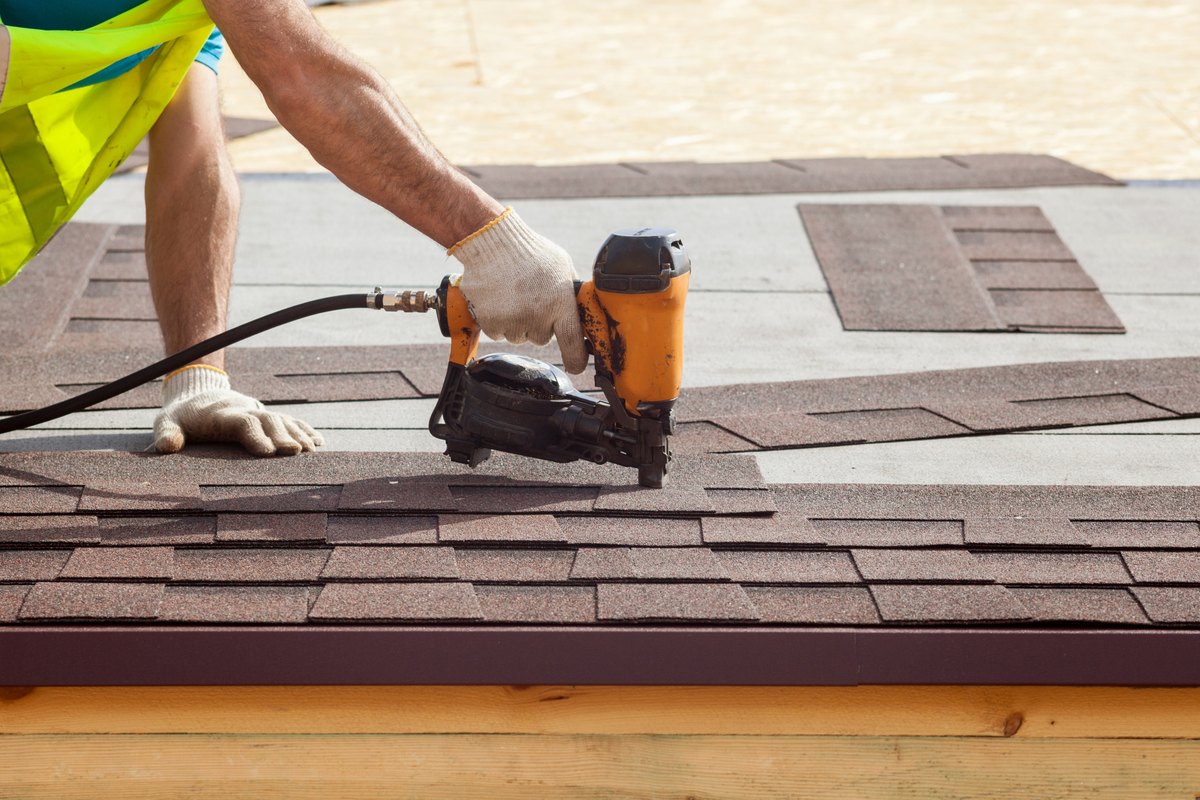
Texas summer heat affects materials and people. Concrete cures faster and can crack if it dries too quickly. Roof shingles become soft and difficult to walk on. Paint and caulk can skin over before they bond. Workers slow down, and heat illness is a real safety risk.
Schedule concrete pours early in the morning. Ask the ready-mix supplier about retarders and curing compounds in hot weather. Avoid roofing in the middle of the afternoon. Provide water and shade, and know the signs of heat exhaustion.
Interior work is the best use of the hottest weeks. If the house is dried in and has temporary power, drywall, trim, cabinets, and paint can proceed while the roofers wait for a cooler morning.
Freezes
A Texas freeze can arrive with little notice. Concrete that freezes before it cures loses strength. Plumbing rough-in can burst. Drywall and paint need temperatures above the manufacturer's minimum. Masonry mortar does not set properly in freezing weather.
Protect the project when a freeze is forecast:
- Cover exposed concrete and keep it from freezing.
- Drain and protect plumbing lines and test water.
- Use temporary heat where the manufacturer allows it.
- Do not install drywall, texture, or paint below the required temperature.
- Disconnect hoses and protect exterior faucets.
Build weather days into the schedule for December through February. A freeze that stops work for three days can push an inspection into the next week.
Wind and Hail
High wind can stop crane work and roof installation. Hail can damage shingles, siding, and windows. If a storm damages the project, document it with photos and contact the builder's risk insurer promptly. Do not let a trade cover storm damage without an inspection.
Schedule Around the Seasons
The most useful weather decision is the start date. A build that reaches dry-in before the spring storm season has a much smoother second half. A build that pours the foundation in the middle of a wet spell starts behind.
Ask the foundation and framing crews about their availability in different months. Good crews book up in the dry season. The cheapest schedule is the one that matches the trade calendar and the weather, not the one that looks fastest on paper.
Put Weather Days in the Contract
Subcontracts should define what counts as a weather day and how delays are documented. A daily site log with the weather, the work performed, and the reason for any stoppage is enough. The log protects the owner when a sub claims a delay was caused by someone else.
Owner Builder Network helps families build a realistic schedule during the home building process. Our owner builder program also covers insurance and documentation, which matter when a storm hits. If you are building in Houston, the Houston page covers the local rain and humidity pattern in more detail.
You cannot control the weather. You can control the schedule, the site, and the paperwork. Do those three well, and the weather becomes a delay instead of a disaster.